
Transforming Construction in the Eastern Cape
The construction industry is undergoing a profound shift. Across the globe and increasingly here in South Africa digital tools are redefining how projects are designed, planned, and delivered. At the center of this transformation is the growing adoption of advanced 3D Building Information Modeling (BIM) software.
For companies operating in the Eastern Cape, like ISG, embracing digitalization is no longer a forward-looking option; it is quickly becoming a necessity for staying competitive, improving efficiency, and delivering higher-quality outcomes.
What is 3D BIM (Building Information Modeling) and Why Does It Matter?
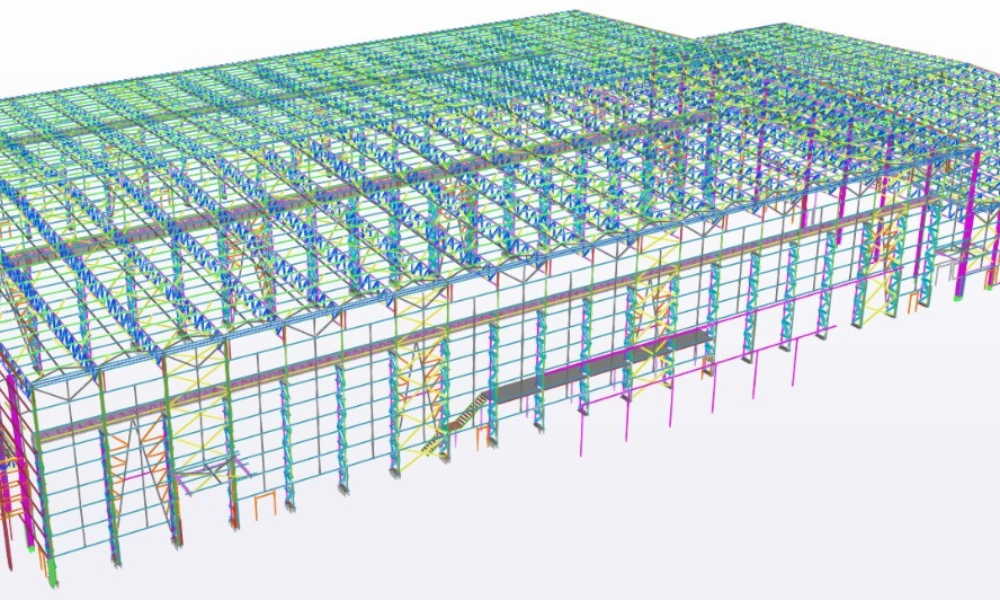
Building Information Modeling (BIM) goes far beyond traditional 2D drawings. It is a digital representation of a building’s physical and functional characteristics, allowing teams to create detailed 3D models that integrate architecture, engineering, and construction data into a single environment.
This means that instead of working in silos, architects, engineers, contractors, and clients can collaborate in real time, using a shared digital model as the single source of truth.
The result? Fewer misunderstandings, better decision-making, and significantly reduced risk throughout the project lifecycle.
Improving Design Accuracy and Visualization
One of the most immediate benefits of 3D BIM is enhanced visualization. Clients and stakeholders can see exactly what a project will look like before construction even begins.
This is particularly valuable in the Eastern Cape, where projects often need to respond to diverse environmental conditions, community needs, and infrastructure constraints. With 3D modeling, design teams can:
- Identify clashes between systems
- Optimize layouts for functionality and efficiency
- Make adjustments early, when changes are less costly
By catching issues at the design stage, projects avoid expensive delays and rework during construction.
Streamlining Fabrication and Construction
Digital models are not just for visualization; they directly support fabrication and construction processes.
With BIM, components can be designed with precise specifications and even prefabricated off-site. This approach improves quality control and reduces material waste, which is especially important in regions where logistics and supply chains can be challenging.
For contractors in the Eastern Cape, this means:
- Faster project timelines
- More predictable costs
- Reduced on-site disruptions
In addition, BIM enables detailed construction sequencing (often referred to as 4D BIM), allowing teams to plan each phase of the build with greater accuracy.
Enhancing Site Planning and Management
Site planning is another area where digitalization is making a significant impact. 3D BIM tools can incorporate topographical data, environmental factors, and infrastructure layouts into a single model.
This is particularly useful in the Eastern Cape, where terrain, weather conditions, and existing infrastructure can vary widely from one project to another.
With advanced modeling, teams can:
- Assess site conditions before breaking ground
- Optimize the placement of structures and utilities
- Improve safety planning and risk management
Better planning leads to smoother execution, fewer surprises, and improved project outcomes.
Driving Collaboration Across Teams
Construction projects involve multiple stakeholders, and coordination is often one of the biggest challenges.
BIM platforms enable seamless collaboration by allowing all parties to work from the same up-to-date model. Changes made by one team are immediately visible to others, reducing the risk of miscommunication.
For ISG and similar firms, this collaborative approach:
- Strengthens relationships with clients and partners
- Improves transparency throughout the project
- Supports more informed decision-making at every stage
Supporting Sustainability and Efficiency
Sustainability is becoming an increasingly important focus in South Africa’s construction sector. Digital tools like BIM play a key role in supporting more environmentally responsible building practices.
Through simulation and analysis, BIM can help teams:
- Optimize energy efficiency
- Reduce material waste
- Plan for long-term building performance
In a region like the Eastern Cape, where resource efficiency and cost control are critical, these benefits are especially valuable.
Overcoming Challenges to Adoption
While the advantages of digitalization are clear, adoption does come with challenges. These may include:
- Initial investment in software and training
- Resistance to change within teams
- The need for new workflows and processes
However, the long-term benefits far outweigh these hurdles. Companies that invest in digital capabilities position themselves to deliver better projects, attract more clients, and remain competitive in an evolving industry.
The Future of Construction in the Eastern Cape
The shift toward digitalization and 3D modeling is not a passing trend; it is the future of construction.
As infrastructure development continues across the Eastern Cape, the demand for efficient, high-quality, and sustainable building solutions will only grow. Firms that embrace BIM and related technologies will be better equipped to meet these demands.
For ISG, adopting advanced 3D BIM is more than a technical upgrade; it is a strategic move toward smarter construction, stronger collaboration, and better outcomes for clients and communities alike.
Final Thoughts
Digitalization is transforming how construction projects are imagined and executed. From improved design accuracy to enhanced site planning and collaboration, 3D BIM is reshaping the industry in meaningful ways.
For businesses operating in the Eastern Cape, the message is clear: embracing these tools is key to building not just structures, but a more efficient, innovative, and sustainable future.
As the industry continues to evolve, those who lead in digital adoption will set the standard for excellence in construction.